Interested in this product?
For more detailed information including pricing, customization, and shipping:
|
Origin |
: Malaysia |
|
IUPAC Name |
: Tetradecanoic Acid |
|
Cas Number |
: 544-63-8 |
|
HS Code |
: 2915.90.20 |
|
Formula |
: C14H28O2 |
|
Appearance Name |
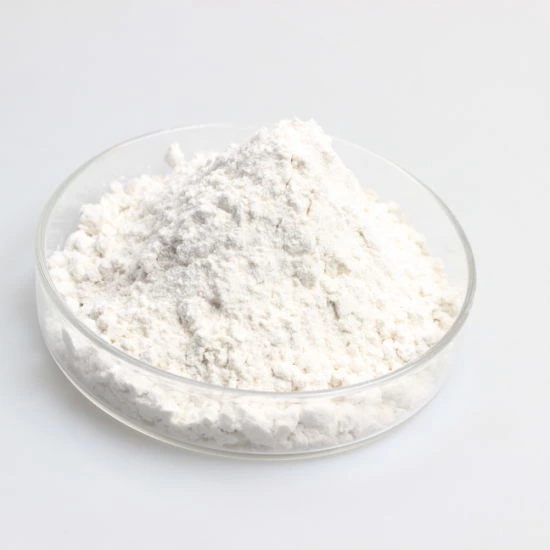
: White Flakes |
|
Common Names |
: Tetradecanoic acid |
|
Packaging |
: 25 Kg Polyethylene Laminated Bag |
For more detailed information including pricing, customization, and shipping:
Brief Overview
Myristic acid, also known as tetradecanoic acid, is a prevalent fatty acid present in both plant oils and animal fats. It is widely distributed in fats across the plant and animal kingdoms, including commonly consumed human foods like nutmeg. This essential fatty acid plays a crucial role in the body, contributing to the stabilization of various proteins, including those utilized in the immune system.
Manufacturing Process
Myristic acid is industrially produced through the saponification process of fatty oils. This process involves hydrolyzing triglyceride chains to produce chains of fatty acids and glycerine. Subsequently, glycerine is separated, and the fatty acid chains undergo purification via fractionation under vacuum conditions. The final step involves collecting the distillate of myristic acid, ensuring a composition of at least 99%. Achieving a higher concentration of myristic acid content requires a more advanced fractionation design and increased energy input, considering the specific composition of myristic acid.
Cosmetic Industry
Myristic acid is used in the synthesis of isopropyl myristate, a component utilized in cosmetics for its ability to be effectively absorbed through the skin. In facial creams, it serves as an emulsifier.
Plastic Industry
In the plastic industry, myristic acid functions as a plasticizer, intermediate, internal, and external lubricant.
Other Applications
Myristic acid finds utility as an anionic or non-ionic surfactant in various sectors, including chemicals, textiles, and food. It contributes to the production of surface-active agents, chemical reagents, among other applications. Additionally, myristic acid is integrated into topical medicinal formulations and soap production, where it enhances soap hardness, exhibits excellent cleansing properties, and produces a luxurious lather.












.webp)
.webp)